Chai Route
A concept website for a fictional single-origin Indian tea company, tracing each blend back to the estate and growers it comes from.
Web Design
Client Project
2023
Role
Web Designer
Duration
3 weeks
Team
Independent project
Tools
Figma, Squarespace
Status
Client Project
View live website
View Process
Overview
Chai Route is a concept website for a fictional Indian tea company built around traceability — every blend links back to the specific estate, altitude, and growers it came from.
Tea brands often market flavour alone, leaving out the origin story that increasingly matters to conscious buyers. The challenge was making provenance the hero of the shopping experience.
The Problem
Shoppers looking for ethically-sourced tea have little visibility into where a blend actually comes from, making it hard to differentiate genuinely traceable brands from generic ones.
Research
I researched Indian tea estate practices, single-origin coffee branding (which handles traceability well), and existing tea e-commerce sites to see how provenance is typically communicated.
Research synthesis visual.

Key Insights
Buyers responded strongly to specific, verifiable detail — estate name, elevation, harvest season — rather than vague terms like ‘ethically sourced’, which felt like marketing language.
Design Challenge
How might we make the origin of a cup of tea as vivid and central as its flavour notes?
Ideation
Concepts ranged from a map-first browsing experience to a simple product-first shop with an origin tab. I landed on a map-led estate browser feeding into individual blend pages.
Early concept exploration.
Information Architecture
The site is organised by estate first, then blend: visitors explore a map of growing regions, select an estate, and see the specific teas sourced from it alongside grower details.
User Flows
A visitor browses the estate map, opens a region to see its story and climate, selects a blend from that estate, and adds it to cart with the origin details carried through checkout.
Wireframes
Wireframes tested a full-screen interactive map versus a simple list of estates. The map won out for stronger engagement despite added complexity.
UI Design
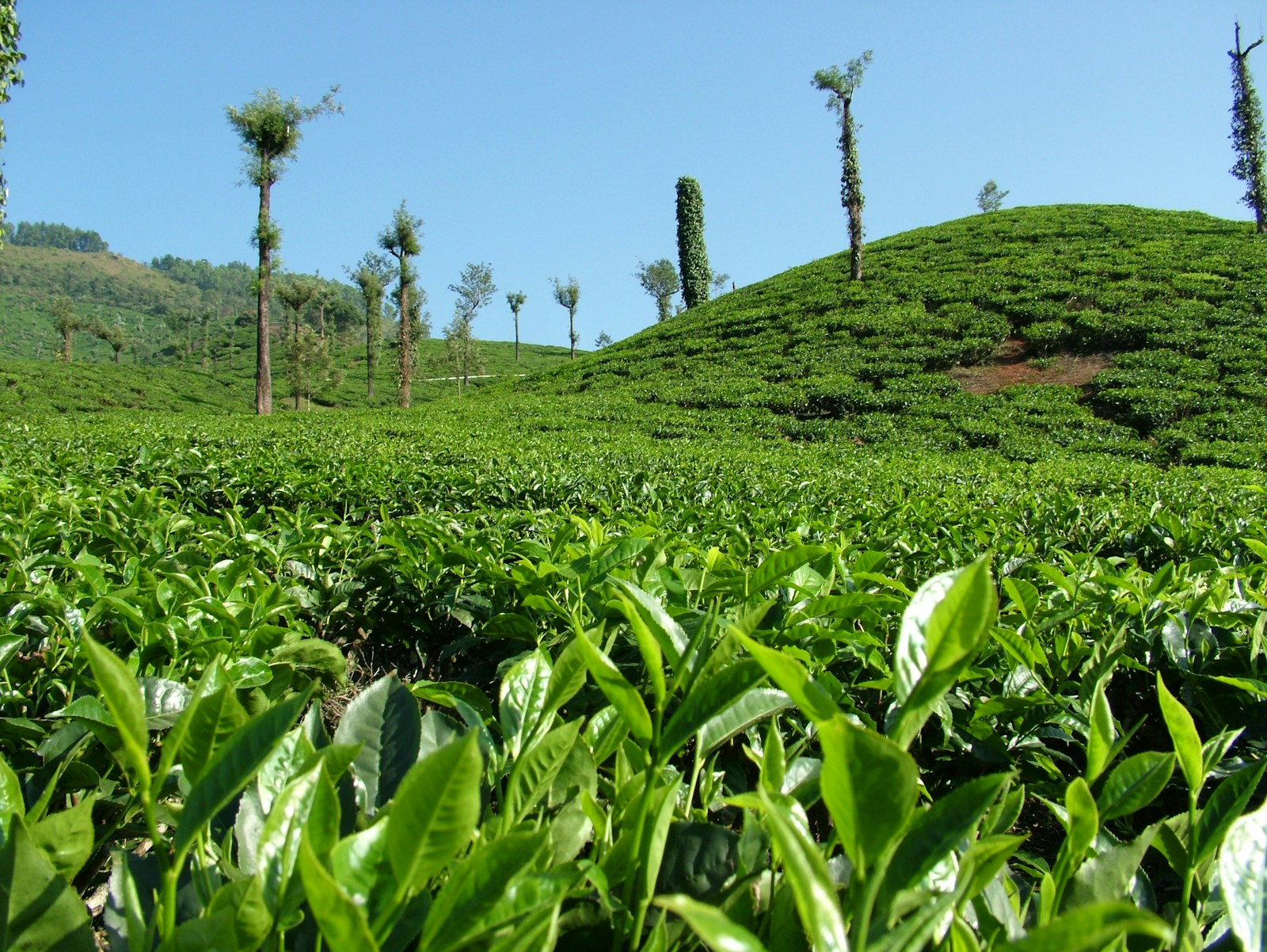
The UI uses warm greens and terracotta tones drawn from the tea gardens themselves, with full-width photography of the estates and a clean type system for tasting notes and specs.
Final interface detail.
Prototype
The prototype shows exploring the estate map, opening an estate page, selecting a blend, and reaching a checkout that displays the grower and harvest details on the receipt.
Testing
This concept project hasn’t been tested with real customers. Validating whether map-based browsing helps or slows down purchase intent would be a useful next step.
Iteration
The estate map moved from a decorative banner to the primary navigation method after early feedback that burying it in a secondary tab undercut the whole premise of the brand.
Final Solution
The final design is a map-led shopping experience where every blend is reached through its estate story, keeping provenance central to how tea is discovered and bought.
Final concept screens.
Outcome
As a concept for a fictional company, this hasn’t launched. It demonstrates how traceability can be designed as the primary navigation and storytelling device for a food and beverage brand.
Reflection
This project reinforced how much specificity builds trust — vague sustainability language convinces no one, but named estates and real numbers do. I’d explore grower profiles further next.
More Work

UX/UI Design
A portfolio preview for an ethical tourism platform that helps people understand conservation-first travel choices.

UX/UI Design
A concept mobile experience imagining a co-branded Audi F1 x Revolut card, letting Revolut users design and manage a motorsport-inspired card inside the app.

UX/UI Design
A concept interface letting Audemars Piguet clients configure their own Royal Oak — case finish, dial, strap, and engraving — before reserving it with a boutique.
Have a project or opportunity in mind?
Let’s talk →
DillonB
Turning complex problems into clear digital experiences.
© 2026 Dillon Borkhatria. All rights reserved.
Designed & built by Dillon