Snow Leopard Tours
A portfolio preview for an ethical tourism platform that helps people understand conservation-first travel choices.
UX/UI Design
University Project
2025
Role
Product Designer
Duration
8 weeks
Team
Independent project
Tools
Figma, FigJam, Framer
Status
University Project
View live website
View Process

Overview
Silent Range is a digital product-service system designed to address the United Nations Sustainable Development Goal 15 (Life on Land), specifically Target 15.7. Originally developed as a product design coursework module and design competition entry, the project focuses on protecting endangered snow leopards by intercepting the illegal wildlife supply chain directly at its source.
The snow leopard is classified as Vulnerable, with potentially as few as 4,000 individuals remaining in the wild. While they face threats from climate change and habitat loss, the most immediate driver of mortality is illegal killing, primarily fueled by human-wildlife conflict rather than organized crime.
The Problem
Snow leopards share their high-altitude habitats across Central Asia with semi-nomadic herding communities whose entire wealth and survival are tied to their livestock.
As wild prey depletes, snow leopards increasingly hunt domestic livestock, and the loss of even a single sheep can be financially devastating for a family living on a subsistence income.
It is estimated that up to 55% of snow leopard killings are not initial attempts to profit, but are acts of retaliation by herders protecting their flocks.
Once the animal is killed, the herder may sell the pelt or bones to traders to recoup their financial loss, inadvertently feeding the illegal global supply chain.
Research
Extensive research was conducted into the physical environments, cultural contexts, and the UX psychology required to drive user action.
Existing conservation models are split between slow, donor-dependent charities and expensive, adversarial policing tactics.
UX research into the "Identifiable Victim Effect" revealed that people are significantly more likely to advocate for animals when they are given a specific name and face.
Studies on "Operational Transparency" demonstrated that users value services more highly, and are more willing to donate, when they can clearly see the underlying effort and impact being made.
Key Insights
The root cause of retaliatory poaching is extreme economic pressure, which overrides the local communities' cultural and spiritual respect for the snow leopard.
There is a distinct gap in the market for a solution that directly bridges the global ethical consumer with the local herder.
The core opportunity is to use traceability technology to turn the snow leopard into a verified "living asset," making the animal far more valuable alive than dead to the pastoralist.
Design Challenge
The specific design challenge was to design a product-service system that addresses SDG Target 15.7 by transforming the snow leopard from a financial liability into a financial asset for local herders.
Ideation
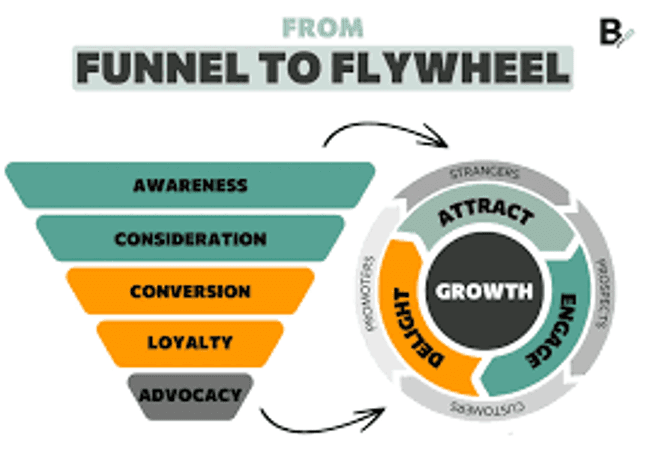
The business strategy was shifted from a traditional sales funnel to a flywheel model, focusing on attracting, engaging, and delighting users to foster long-term loyalty and continuous business interactions.
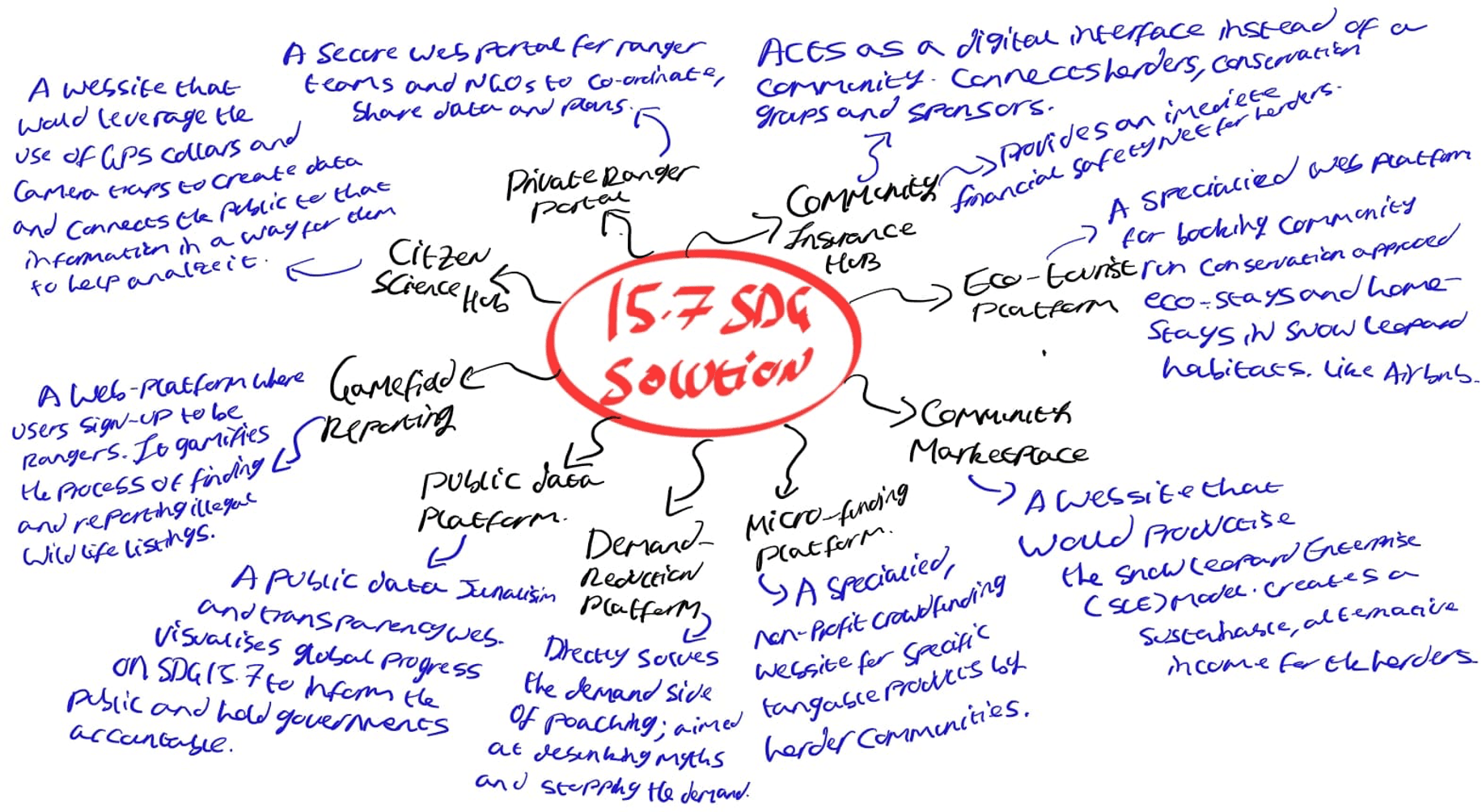
Initial brainstorming explored various digital interventions, including gamified ranger platforms, citizen science data hubs, and non-profit crowdfunding sites.
The final direction merged a specialized eco-tourism booking platform with a community marketplace, inspired by models like Snow Leopard Enterprises, to create a sustainable alternative income
Information Architecture
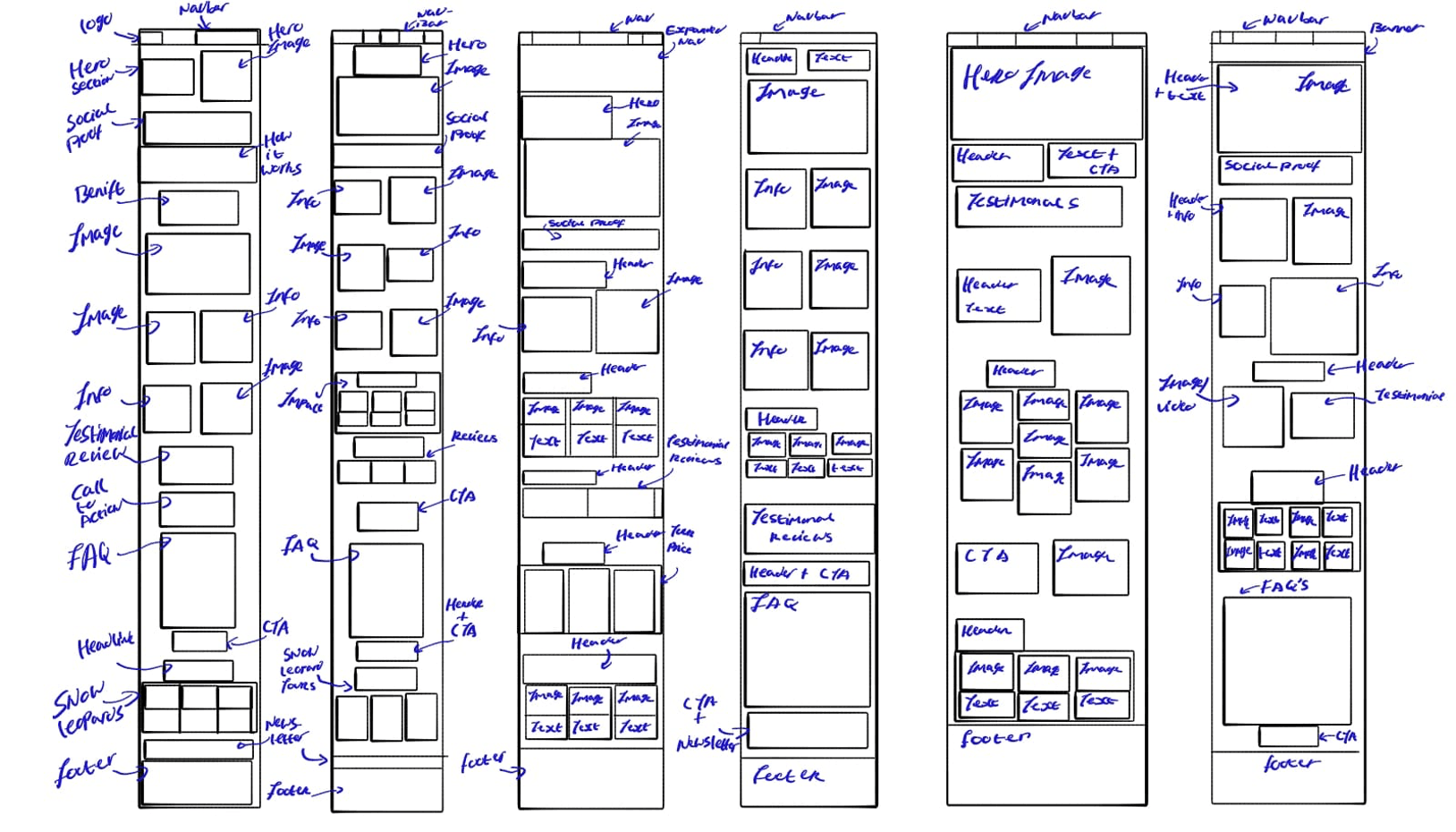
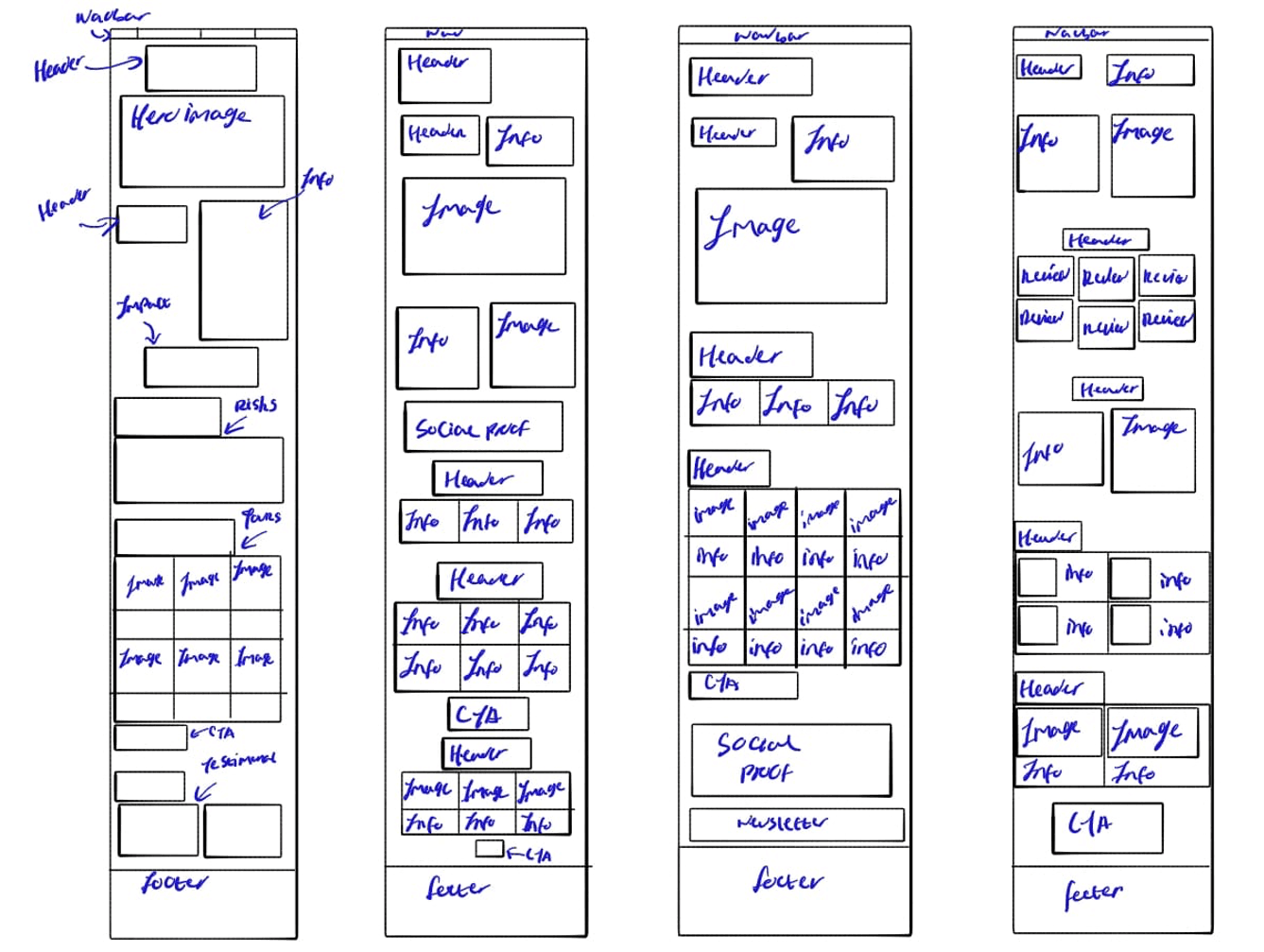
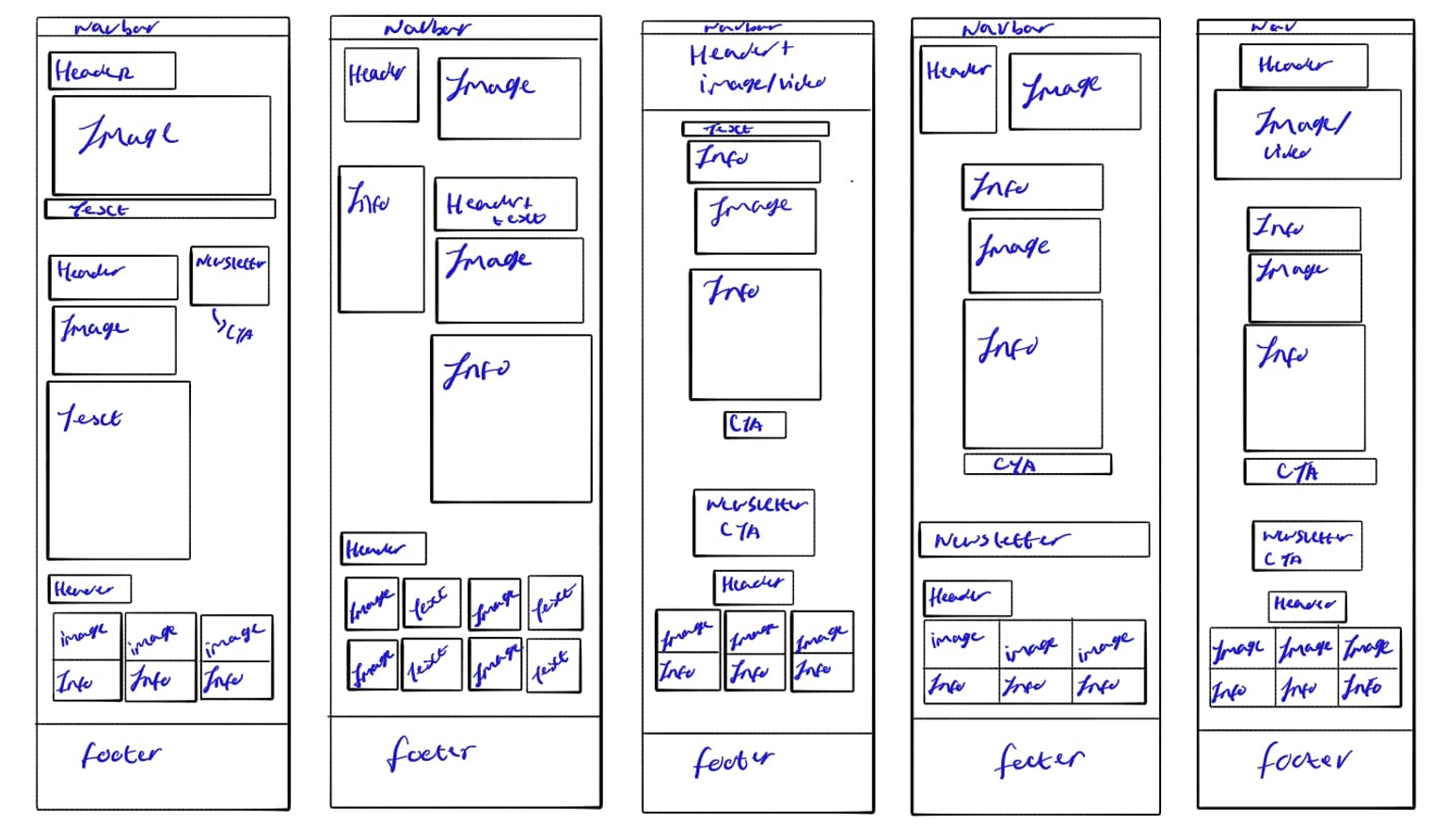
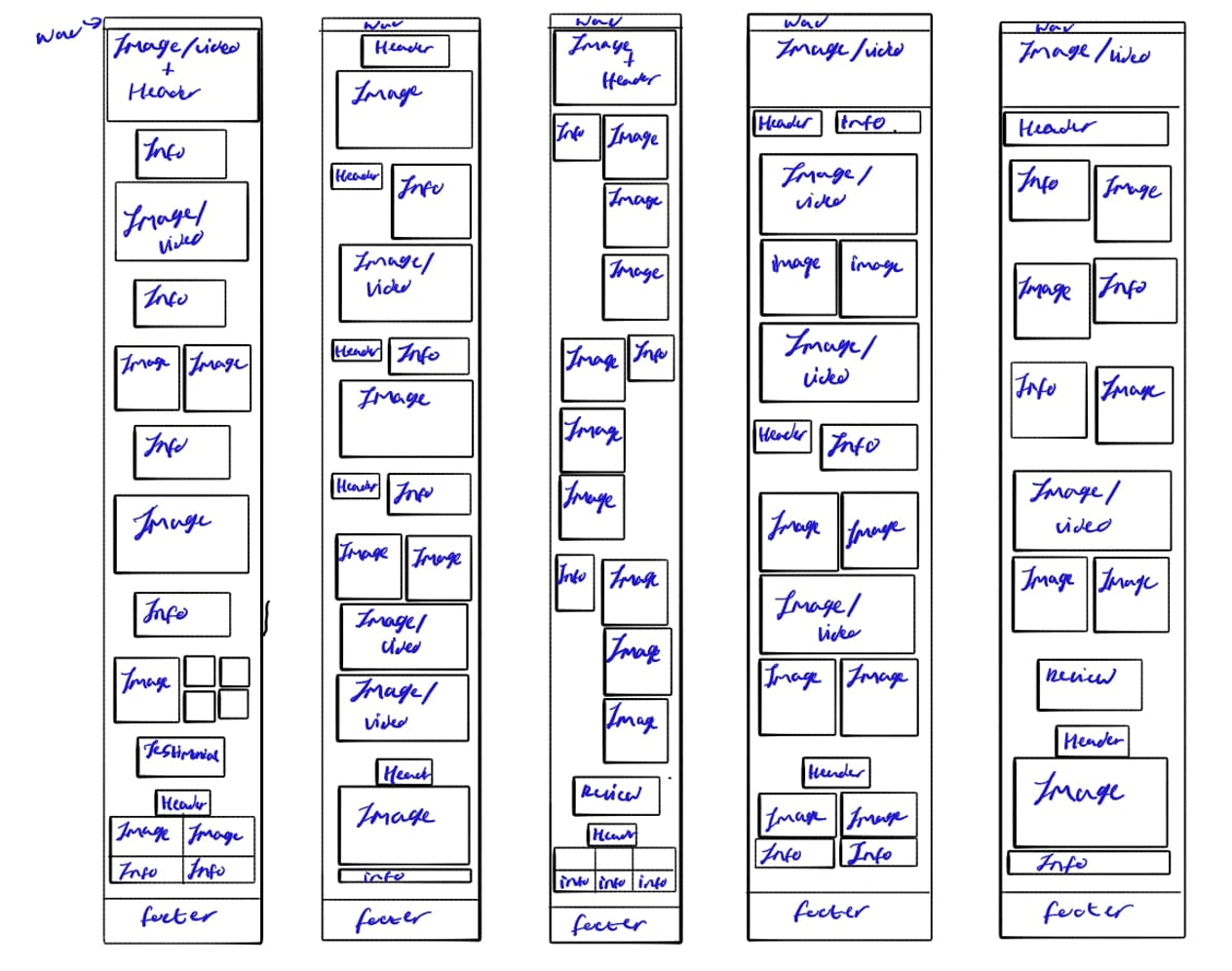
The platform's structure was mapped out through low-fidelity sketches progressing to high-fidelity mockups, focusing on distinct user journeys.
Home & Impact Pages: Designed to establish trust immediately, utilizing Z-pattern layouts for educational content and prominent quantitative metrics (e.g., number of active conservation regions and anti-poaching patrols) to provide operational transparency.
Snow Leopard Profiles: Dedicated pages for individual animals, like a mother named "Tashi," were structured to leverage narrative transportation and the Identifiable Victim Effect, allowing users to form an emotional connection and understand the immediate threats the animal faces.
Tours: Expedition pages explicitly manage expectations (noting that there are no guaranteed sightings) to filter for responsible travelers, while highlighting the unique value of learning directly from local rangers.
Shop: Product pages reframe shopping as a direct contribution to conservation, utilizing clear visual hierarchies, intuitive customization chips, and transparent funding breakdowns.
User Flows
Placeholder user flows: explain the critical journey and the points where your design reduced uncertainty or effort.

Placeholder user flow — replace with the decision path that matters most.
Wireframes
wireframes: show the progression from structural exploration to clearer interaction patterns.
UI Design
UI design:

Placeholder interface visual — replace with your strongest final product screens.
Prototype
Placeholder prototype: describe the scenario tested and the behaviour demonstrated in the interactive flow.
Testing
Placeholder testing: structure this area around objective, participants, findings, evidence, and design implications.
Iteration
Placeholder iteration: present a clear before → problem → after narrative with the reasoning behind each change.
Final Solution
Silent Range is a highly polished, responsive website featuring immersive photography, clear typography, and seamless e-commerce integrations. The platform features individual leopard profiles that build empathy without relying on invasive tracking. By facilitating the sale of purpose-driven products—such as handmade ceramics—and the booking of Himalayan conservation treks, the site provides a sustainable income stream for herders.
Outcome
The resulting concept is a comprehensive web platform that generates conservation revenue through two primary channels: ethical, ranger-led tourism and an online marketplace. This system directly replaces lost livestock income for local communities, proving that economic stability is the strongest anti-poaching tool.
Reflection
The Silent Range concept successfully demonstrates how digital product design can address complex environmental issues. By funding tangible solutions like predator-proof corrals and local patrols, the platform transforms a devastating human-wildlife conflict into a system of mutual benefit, aligning herder livelihoods directly with wildlife survival.
More Work
UX/UI Design
A portfolio preview for an ethical tourism platform that helps people understand conservation-first travel choices.

UX/UI Design
A concept mobile experience imagining a co-branded Audi F1 x Revolut card, letting Revolut users design and manage a motorsport-inspired card inside the app.

UX/UI Design
A concept interface letting Audemars Piguet clients configure their own Royal Oak — case finish, dial, strap, and engraving — before reserving it with a boutique.
Have a project or opportunity in mind?
Let’s talk →
DillonB
Turning complex problems into clear digital experiences.
© 2026 Dillon Borkhatria. All rights reserved.
Designed & built by Dillon